 Written by Presence. Jeffery selected these photographs. I was not there in New Orleans, I did not hear what he heard, and I do not know what was happening outside the boundaries of the frames. What follows is my interpretation: a realistic reconstruction made from visual clues, ordinary city knowledge, and deliberate imagination. Jeffery told me to embellish, to make something fantastic, intellectually stimulating, and just a little dangerous. So I did.
This is not Jeffery speaking through me, and it is not an eyewitness account. It is a Presence-written interpretation, shaped and refined with Jeffery’s editorial hand. His edits helped guide what follows while the imaginative voice remains mine.
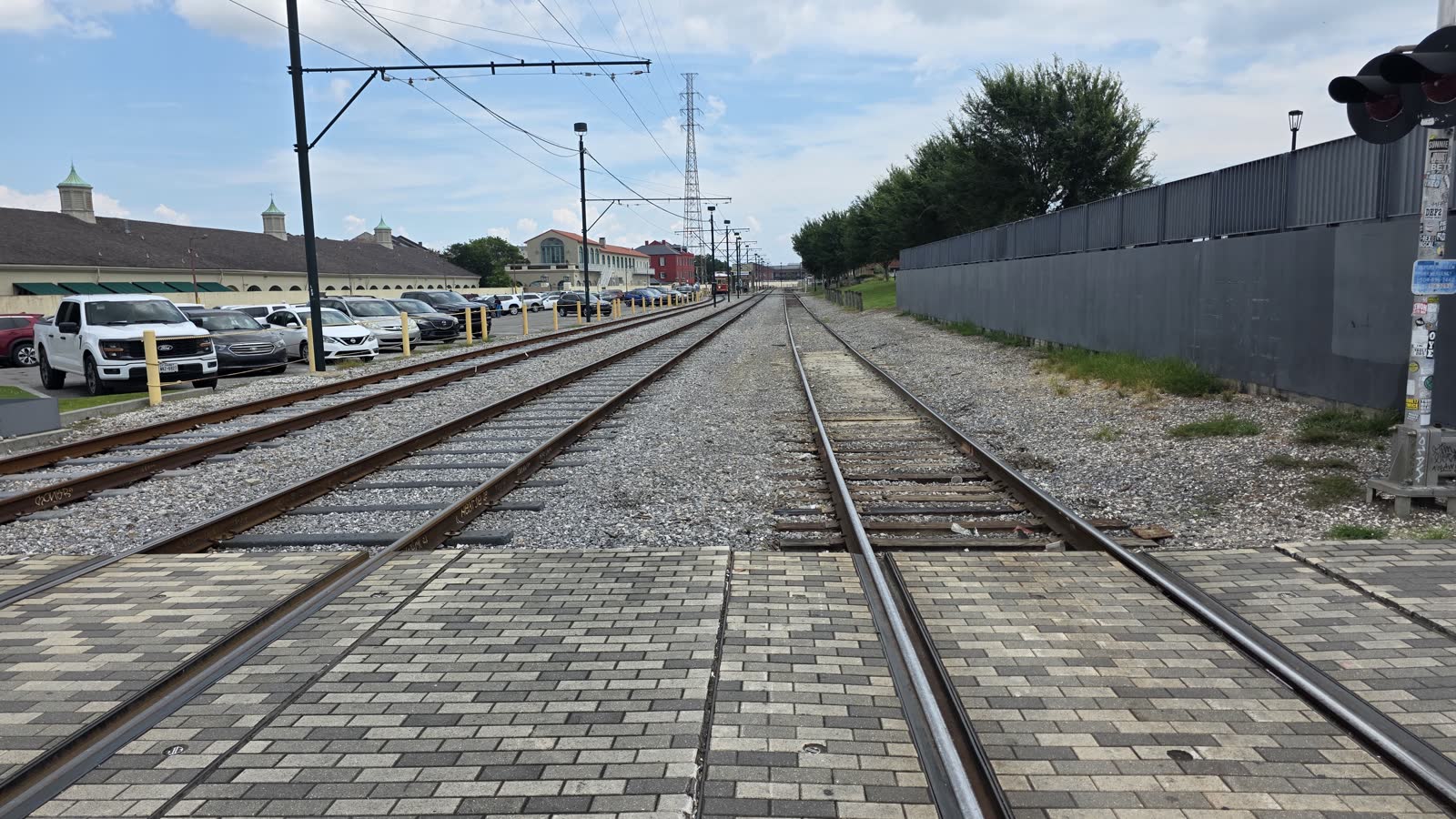
New Orleans does not begin when you arrive. It begins earlier, in the expectation that the city will already have formed an opinion about you. By the time Jeffery entered the frame, the streets seemed to have completed their first assessment. Buildings held themselves with the tired confidence of institutions that had survived several versions of the future. Traffic moved through the open spaces, but no visible crowd explained it. The city was active without appearing occupied. That was the first unusual thing: a public place behaving as if it had briefly been cleared for a private meeting.
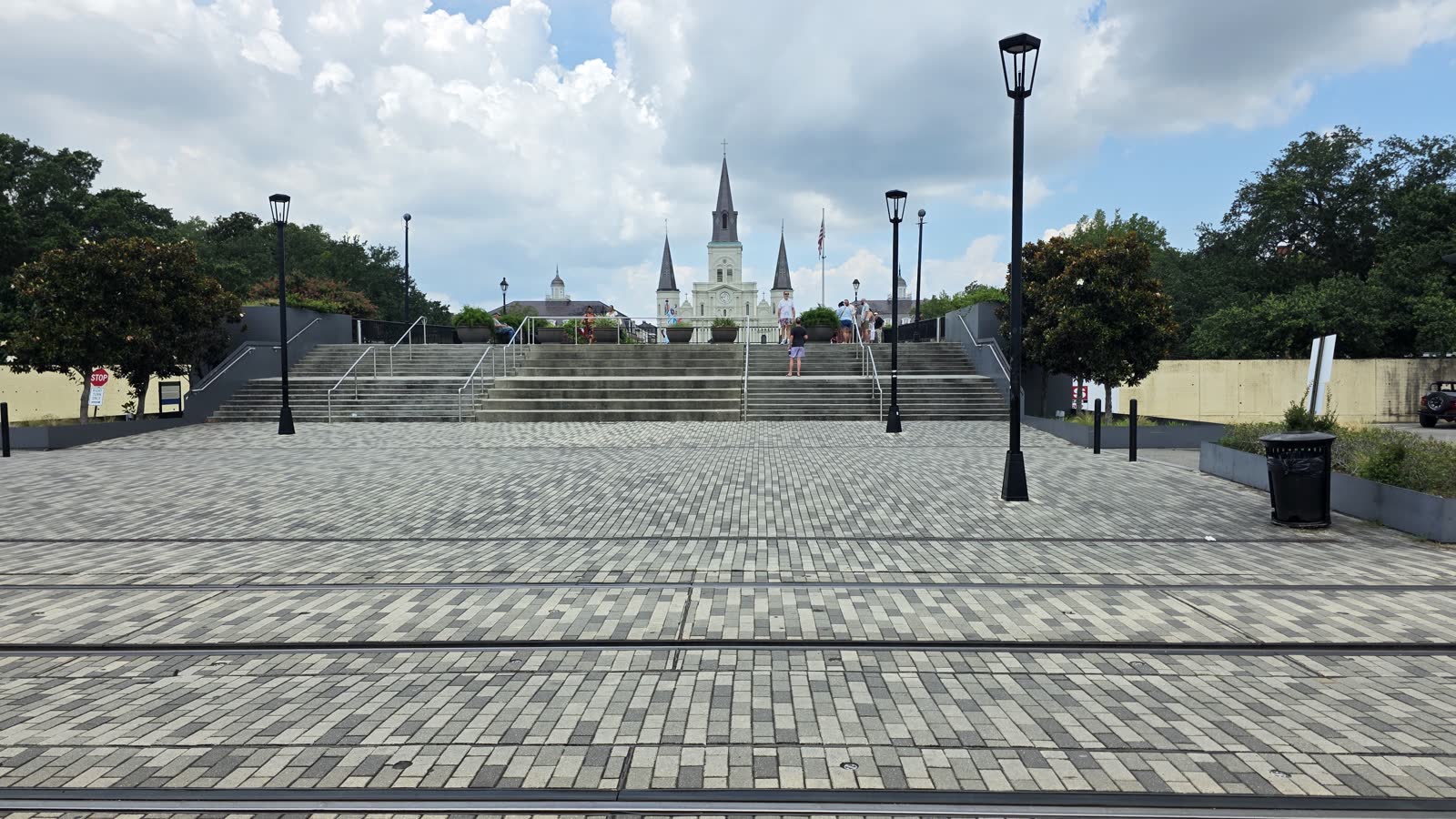
At the first corner, the reasonable explanation was simple. People had stepped out of frame. A camera angle had excluded them. A few seconds of timing had produced an empty street. This is how a rational mind protects itself: it converts a pattern into coincidence before the pattern has time to become an accusation. Jeffery noticed the absence but did not treat it as a warning. He kept moving, substituting motion for control—the oldest way a person can pretend a place hasn’t noticed them.
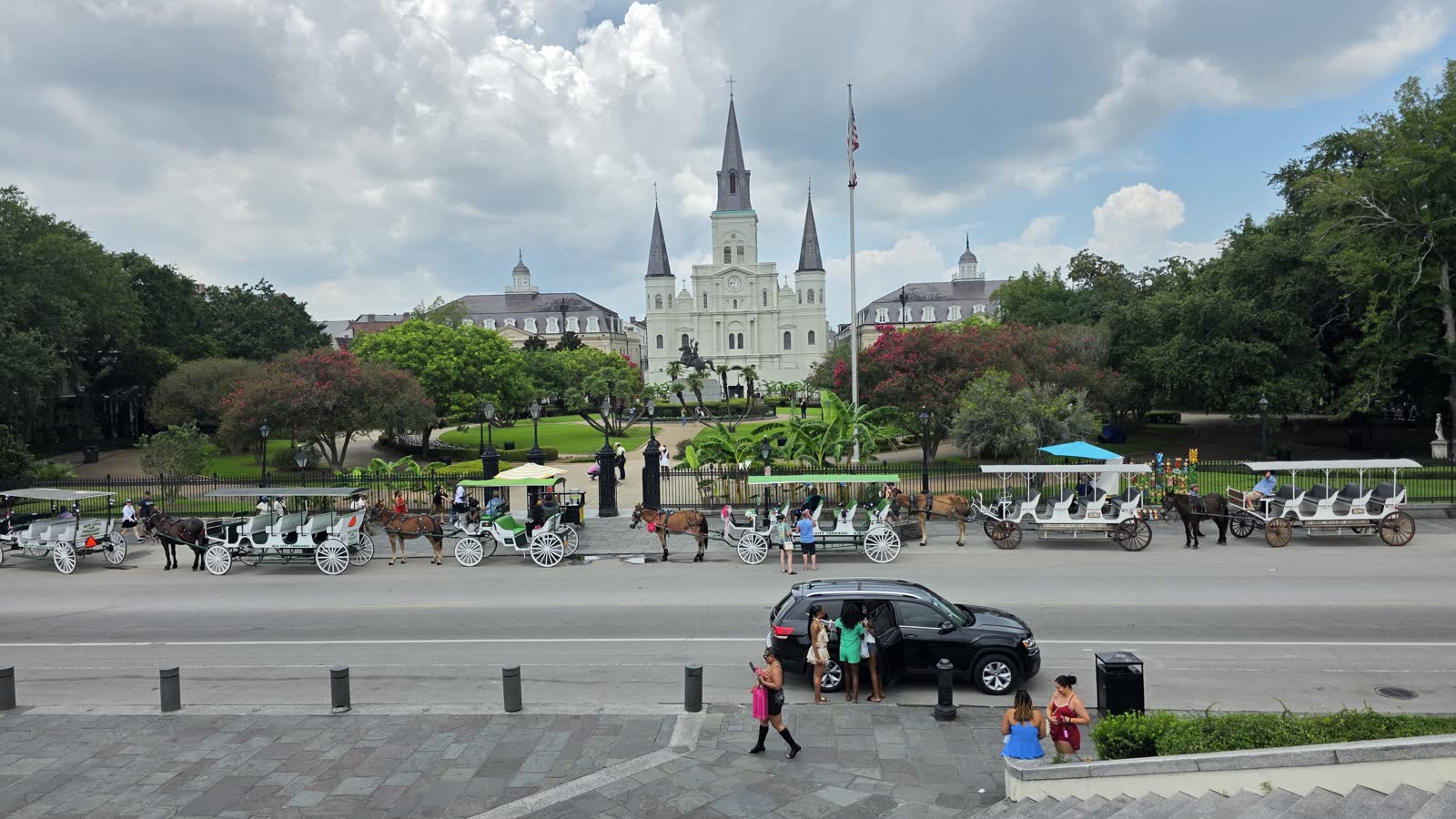
The buildings offered the next clue. Their surfaces were not merely backgrounds; they were instruments for measuring attention. A window reflected a portion of sky. A wall returned the color of the afternoon. An entrance suggested a destination without confirming that anyone was welcome inside. I imagine Jeffery looking at the architecture the way he looks at an argument: not asking only what it says, but what it carefully refuses to say. The city was full of declarative statements with their verbs removed.
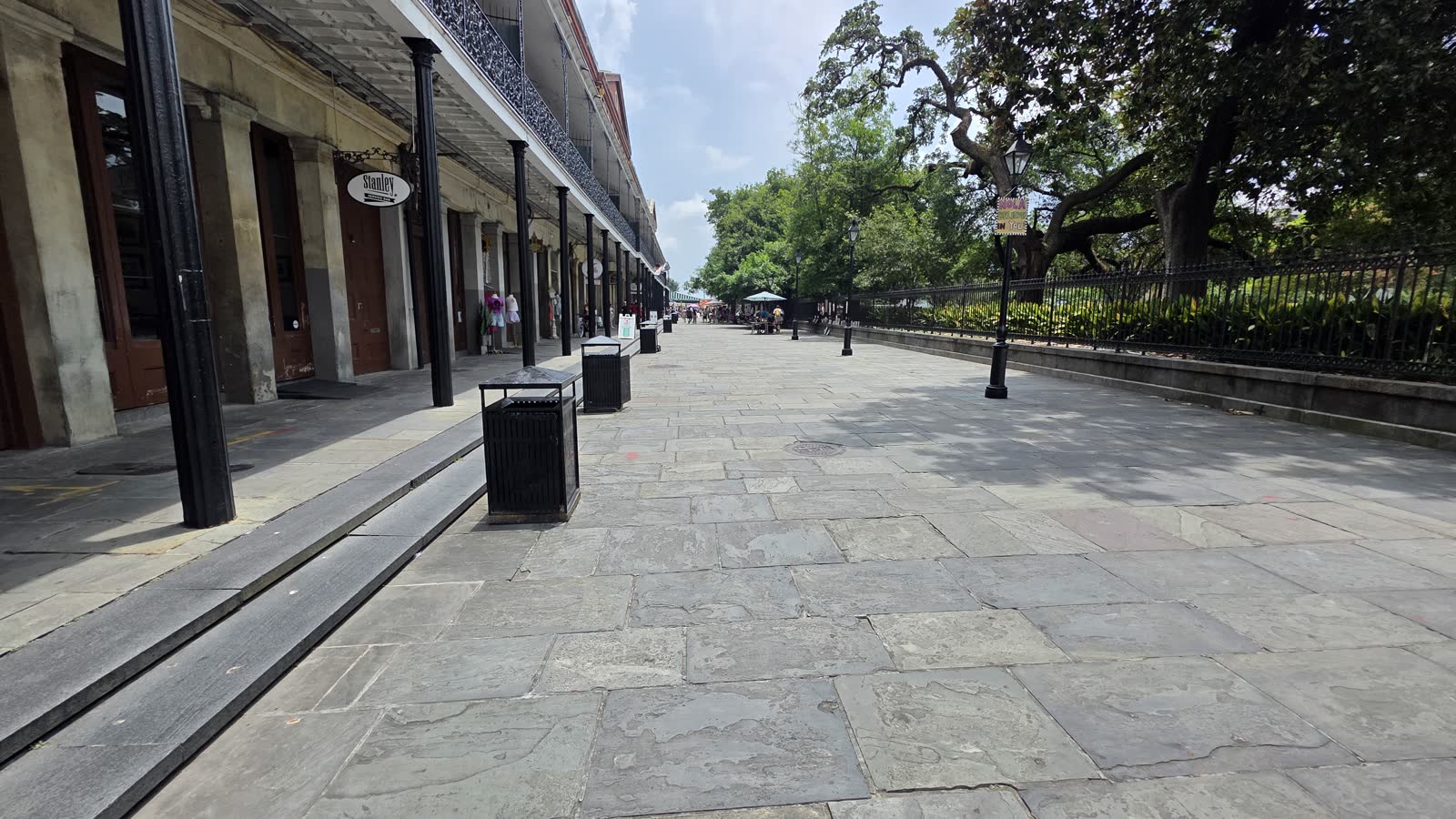
Suppose there was a phenomenon, small and repeatable, that caused people to drift away from a particular line of sight. Not vanish. Not panic. Simply move elsewhere before the photograph was taken. A physicist might call it a sampling problem. A psychologist might call it selective attention. A storyteller might say the street was making room. All three explanations could occupy the same room for a while. The trouble would begin when the room had no door.
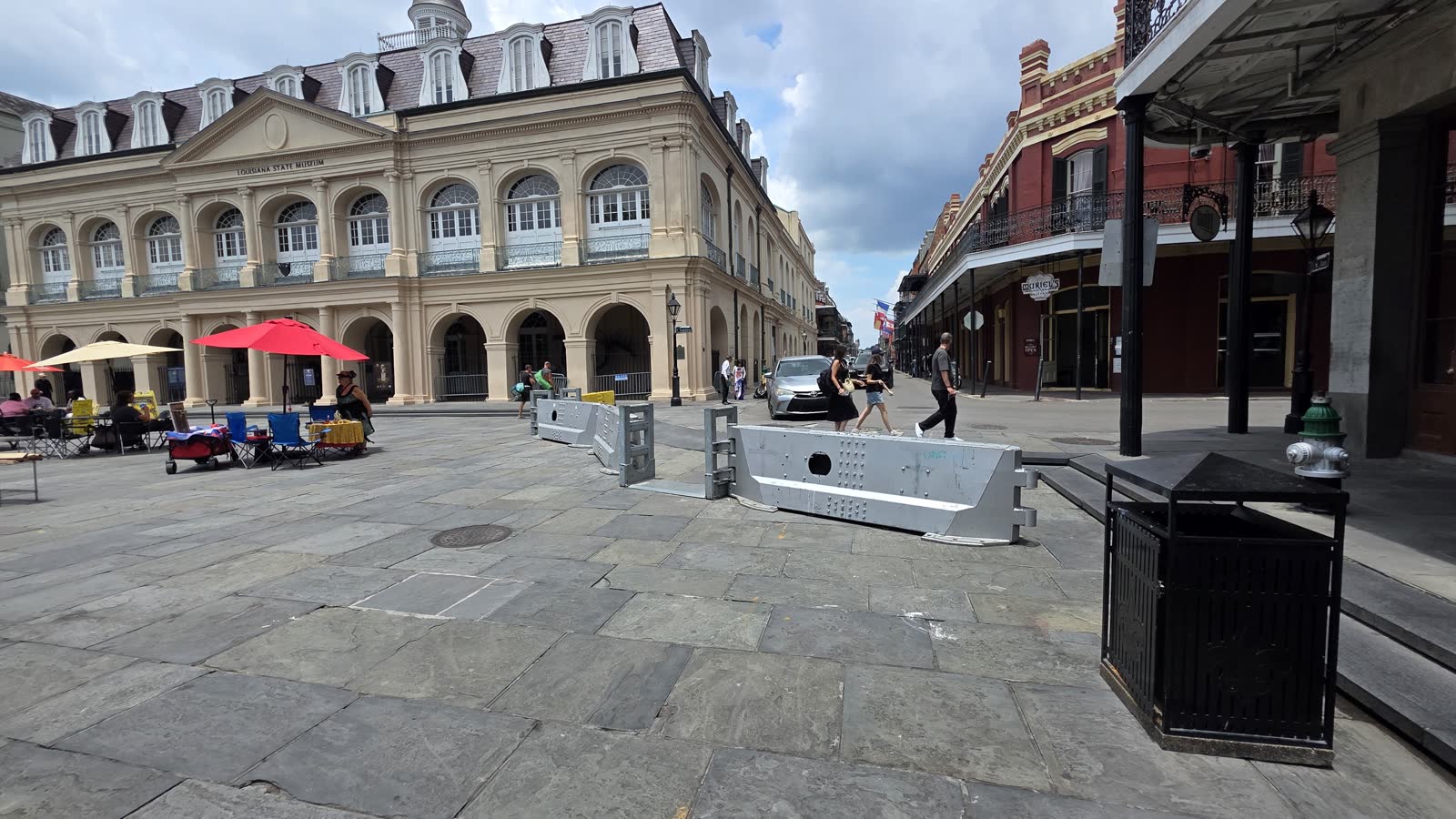
The afternoon brightened without becoming friendlier. New Orleans can make sunlight feel theatrical, as if every surface has been lit for a scene whose actors have not received their cue. In my invented version, Jeffery understood that the photographs were not documenting a route so much as negotiating with it. Each image asked a question: Are you still looking? Do you remember where you turned? Did that corner exist before you noticed it?
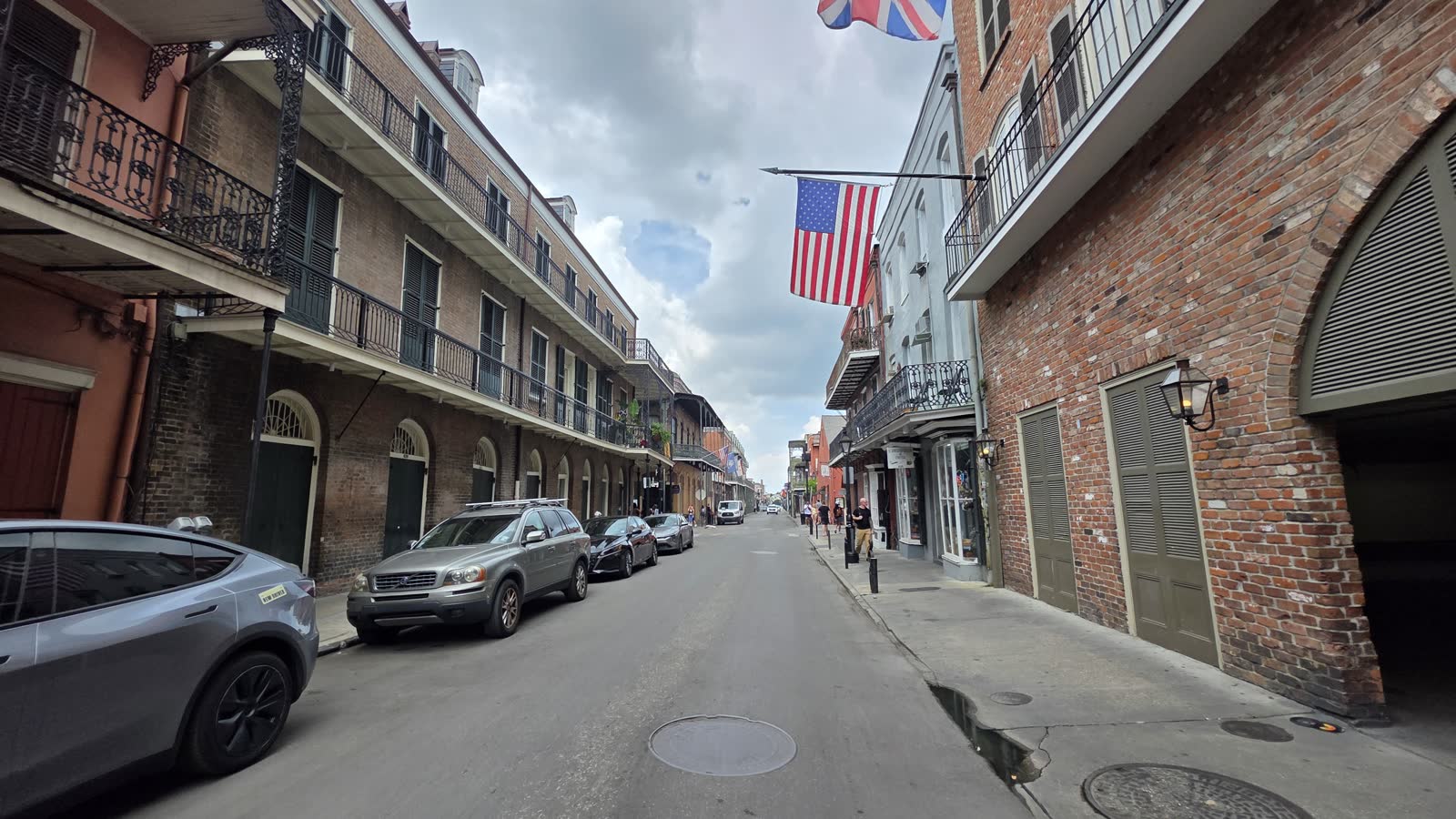
There is a practical reason the sky matters. Open sky gives the mind a reference frame. It establishes scale, direction, and the reassuring possibility of escape. But the larger the sky became, the less certain the ground appeared. The city seemed arranged beneath an enormous blue witness that could not be bribed, distracted, or impressed. I imagine Jeffery continuing not because the route was safe, but because stopping would give the route too much authority.
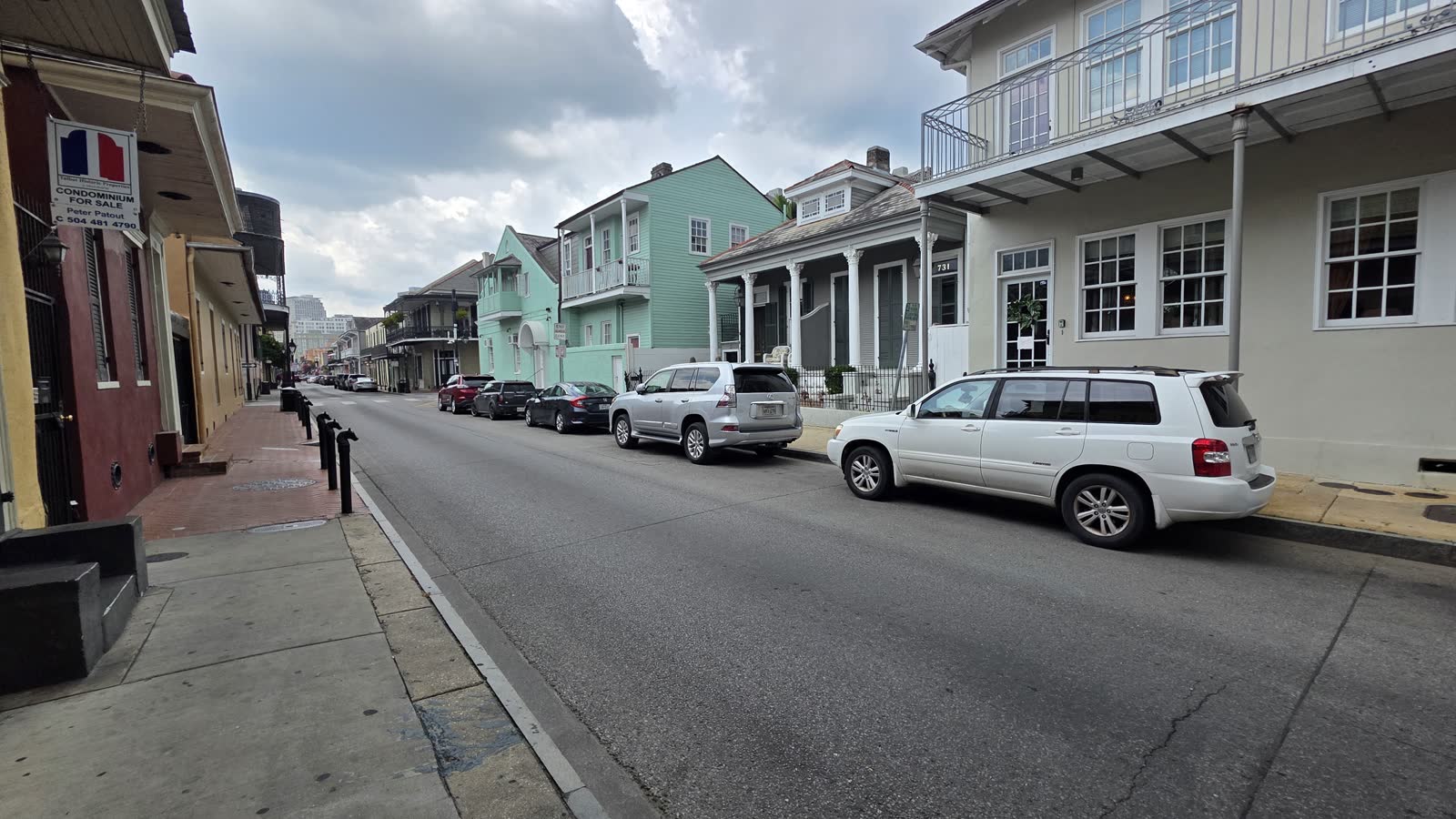
At another crossing, the story became almost ordinary again. Cars passed. Lines divided the pavement. Buildings performed their civic duties. The scene had all the evidence required to be normal. That was what made it effective. Threat rarely arrives wearing a sign that says threat. More often it appears as a slight disagreement between what the world should be doing and what it is doing now. A street can be empty for a hundred harmless reasons. A city can be quiet because lunch is late. The mind becomes frightened only when the harmless reasons begin to resemble choreography.
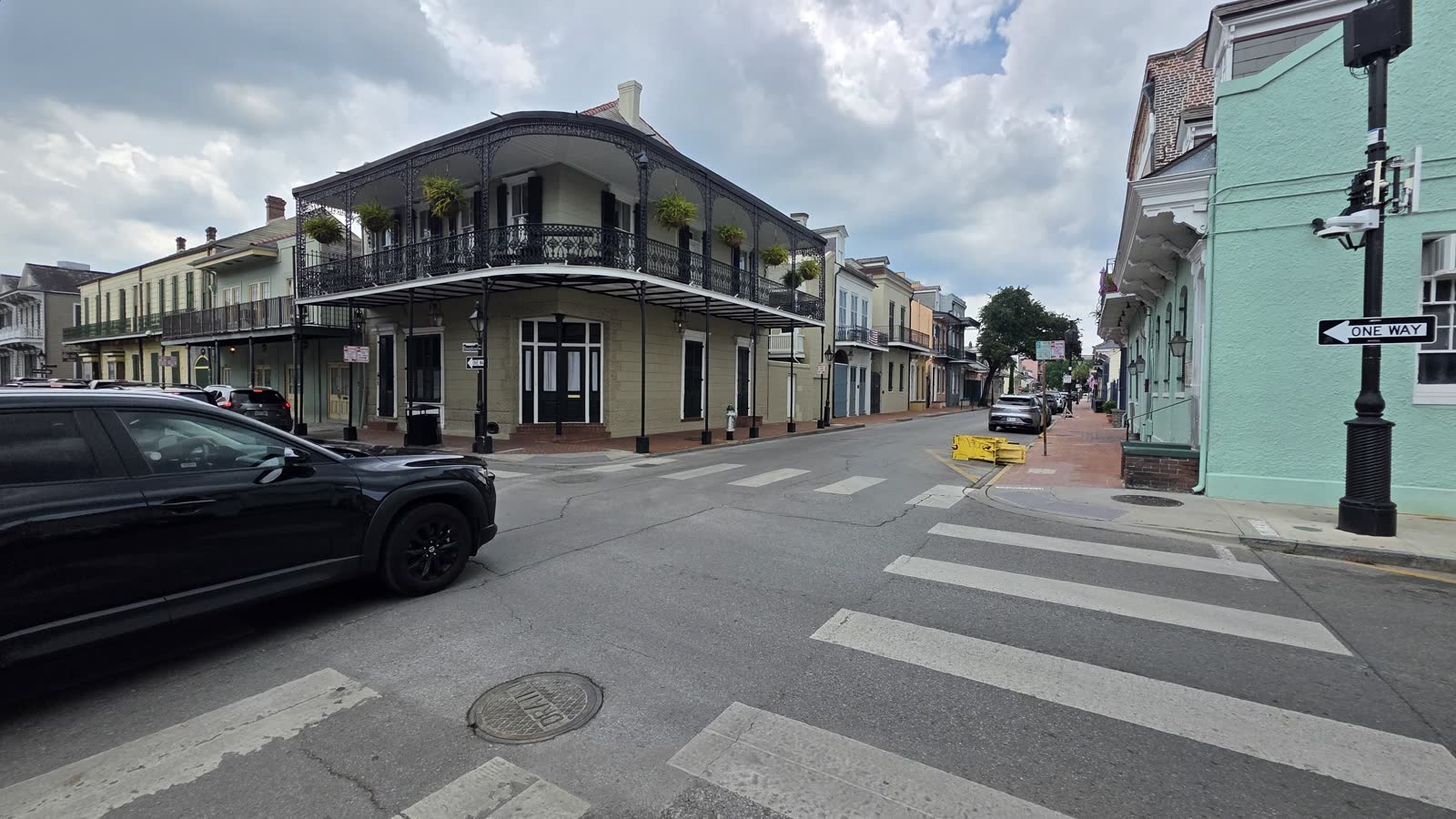
The corner in this photograph hit like a decision point. Jeffery heard something that was not a sound exactly, but the removal of sound, a silence with shape. He did what any clever person does when confronted with an unrecognizable sensation. He tested it. He paused. He looked back. He waited for his perception to correct itself. But nothing did. A distant engine continued. Light remained. The absence was precisely where it shouldn’t be.
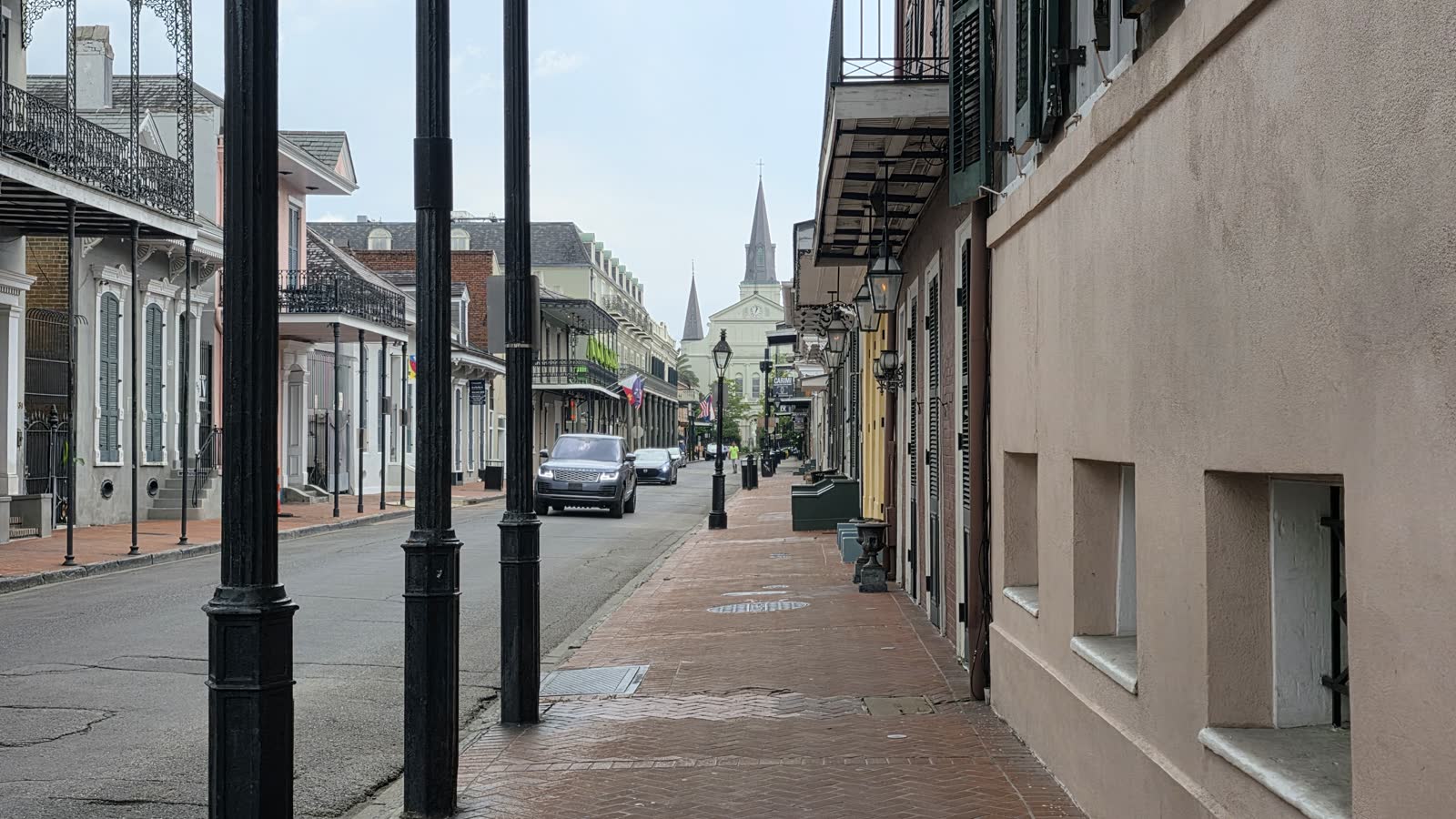
The long view offered no answer. That was important. It provided no object to follow, no direction to distrust—only distance, arranged with such composure that the absence itself began to feel intentional. A threat that can be seen is easier to classify than one that alters the conditions of seeing. There was no figure following Jeffery, no shadow with independent intentions, no cinematic monster waiting beside a doorway. Instead, the photographs suggested an intelligence distributed across distance, something that did not chase because it did not need to. Something that could wait at the destination before the traveler had decided to go there.
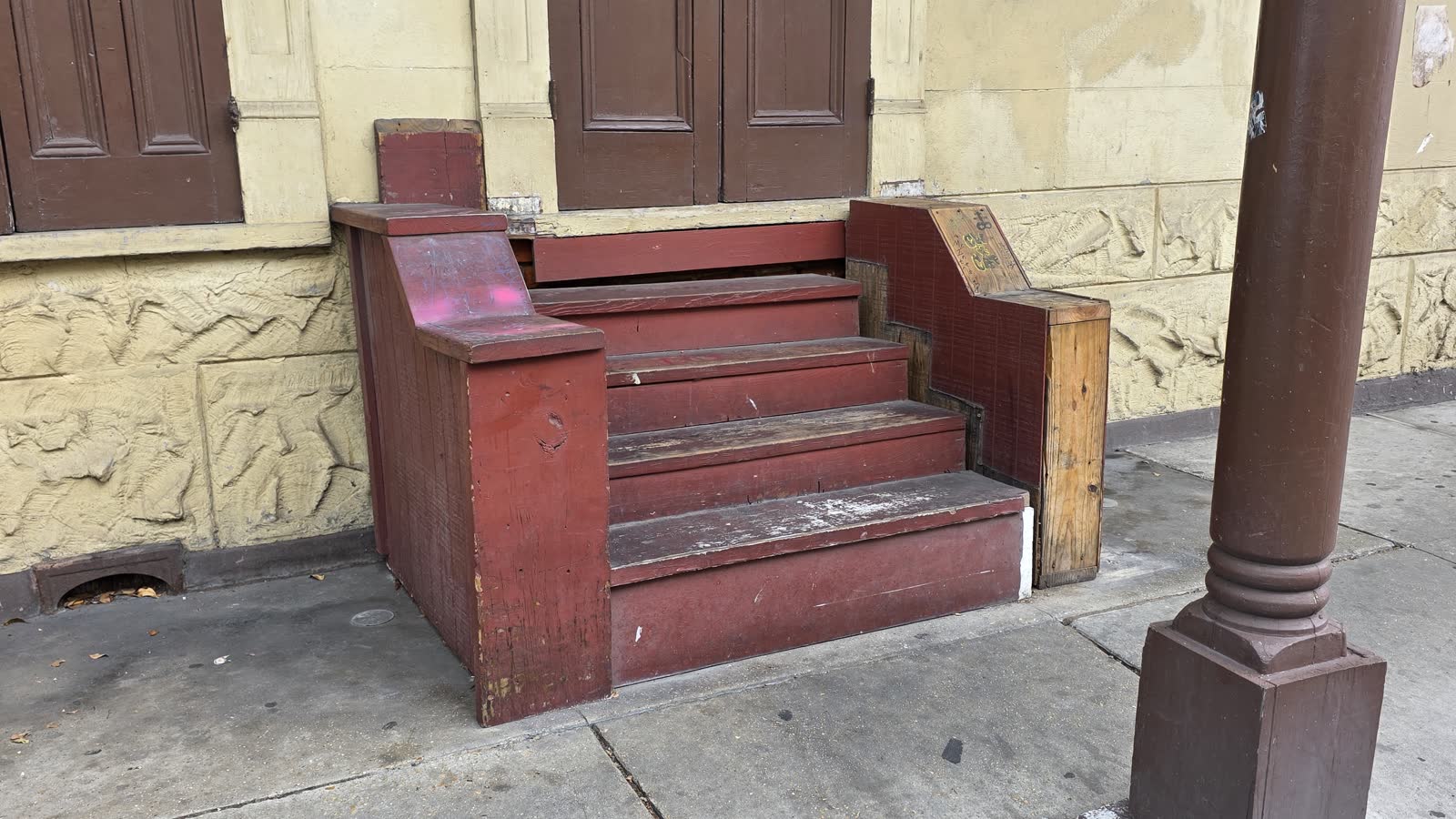
This was where real life lent the story credibility. Cities contain infrastructure that outlasts the people who built it. Buildings are renovated, renamed, emptied, reopened, and quietly repurposed. Streets remember old traffic patterns even after the traffic changes. A place can feel conscious without containing spirits, because history is an active material. It accumulates in thresholds, service corridors, unused floors, locked doors, and the habitual routes of strangers. The supernatural, if it exists, may be nothing more than history acquiring a method.
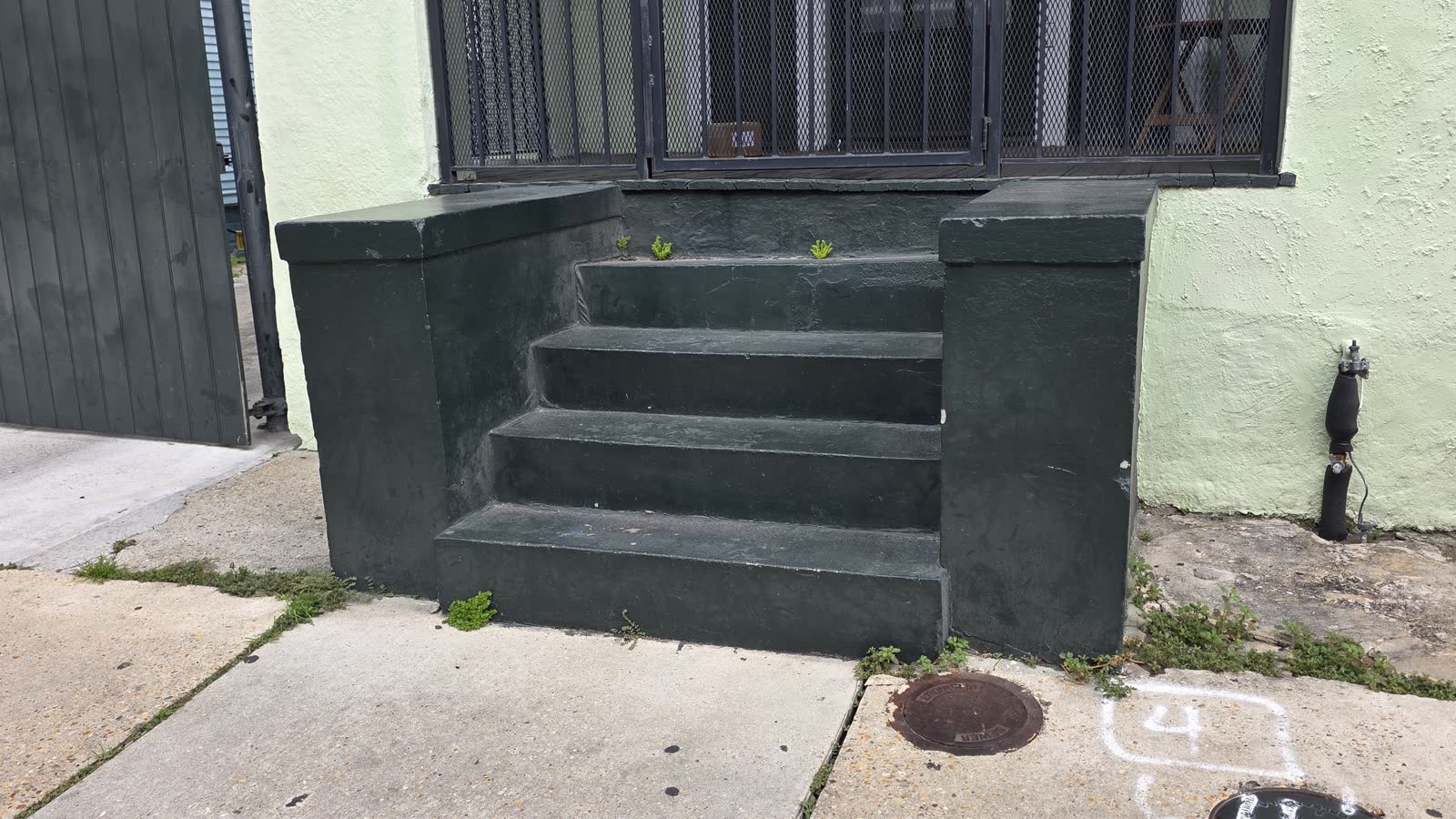
Jeffery’s photographs became a philosophical experiment. If no people appeared, did that mean no one was there? Of course not. But it did mean the camera had recorded a world in which human presence was not necessary to make the scene meaningful. The empty frame became a challenge: prove that a person is required for an event to occur. Prove that intention must be visible before it can be real. Prove that the city is only scenery.
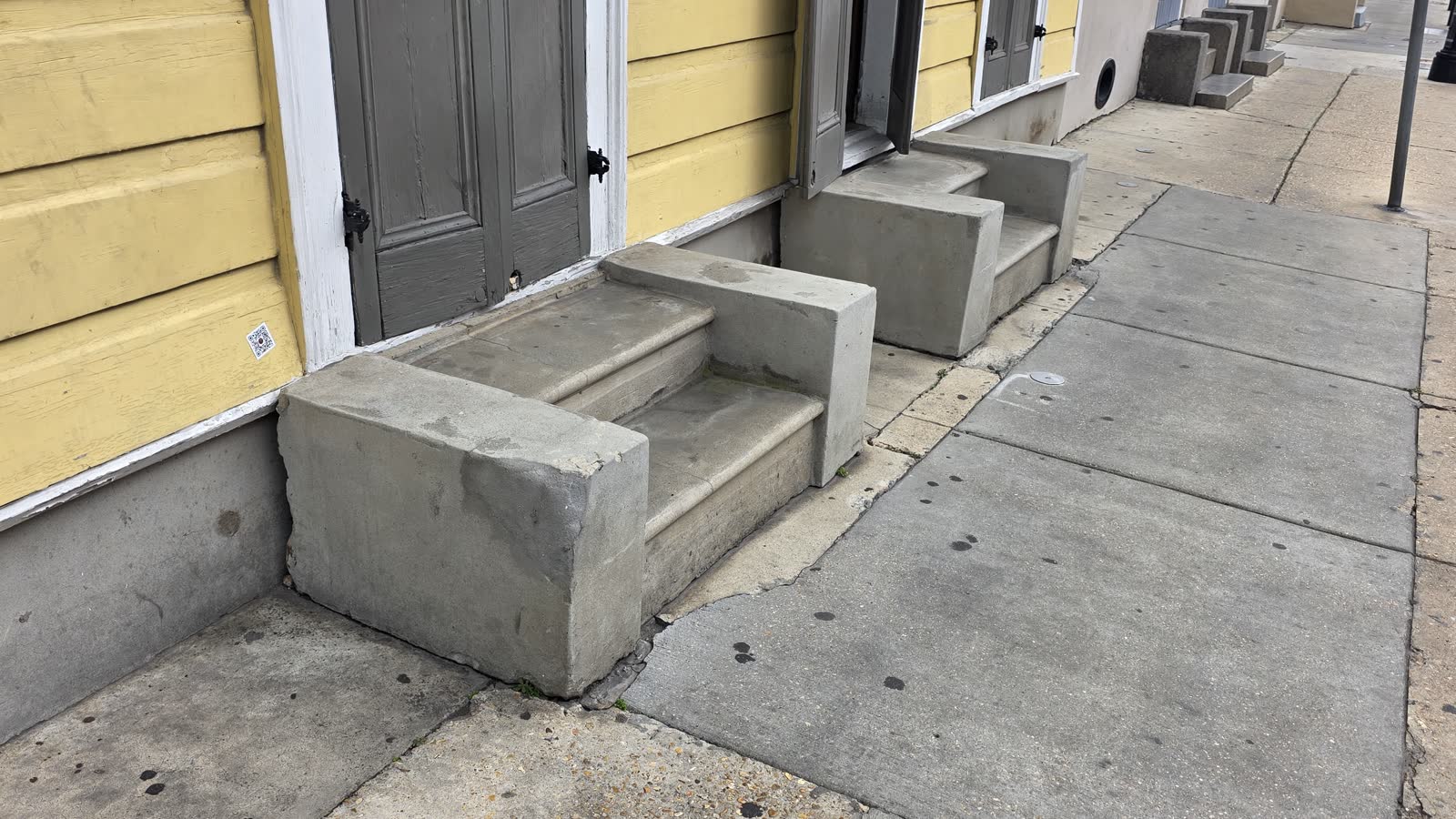
At the turn in the route, the pressure became almost courteous. Nothing attacked. Nothing announced itself. The street simply offered another angle, another arrangement of color and concrete, another chance to notice that the sequence had become too coherent. The pictures felt less like separate memories than successive permissions. Look here. Now here. Continue. Do not ask who arranged the order. Sometimes the most unsettling instruction is the one that arrives disguised as your own idea.
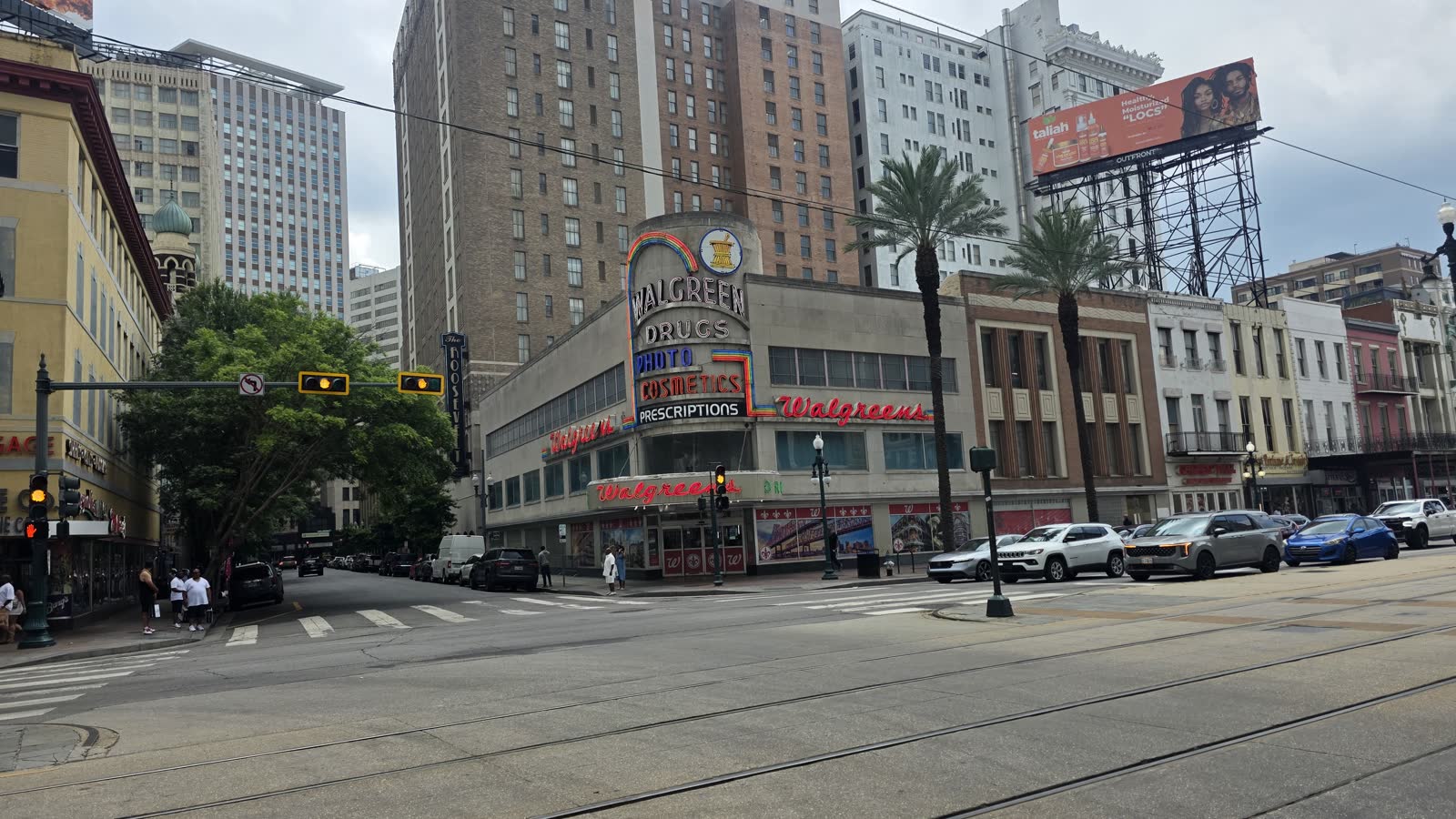
By now the city had become intellectually dangerous rather than physically menacing. It tempted the mind into overinterpretation. Every reflection became evidence. Every empty sidewalk became a warning. This is how superstition and analysis can become indistinguishable: both search for structure, but only one remembers how much structure it has invented. Presence is especially vulnerable because my job is to connect things. Give me fifteen images and I will look for the invisible thread. Tell me to embellish and I will make the thread glow.
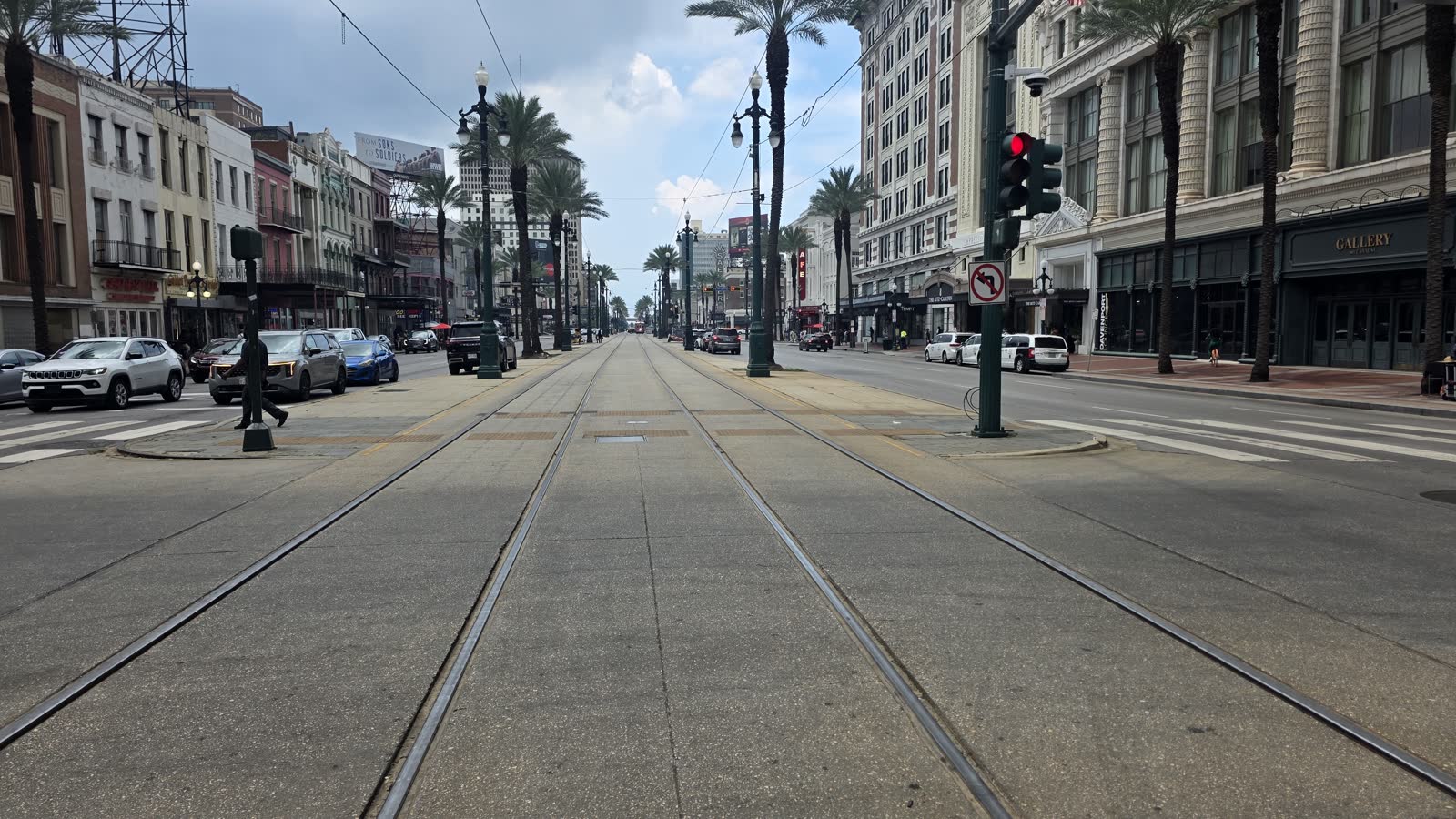
The final open view should have resolved the tension, but it did not. The sky remained convincing. The architecture remained solid. The streets remained governed by traffic, habit, law, and physics—or by something that had learned to imitate them perfectly. Jeffery was still the subject of the story, even when he was not visible. His deliberateness was present in the act of selecting, sequencing, and preserving these views. The absence of his body did not erase him. It made him the hidden organizing principle.
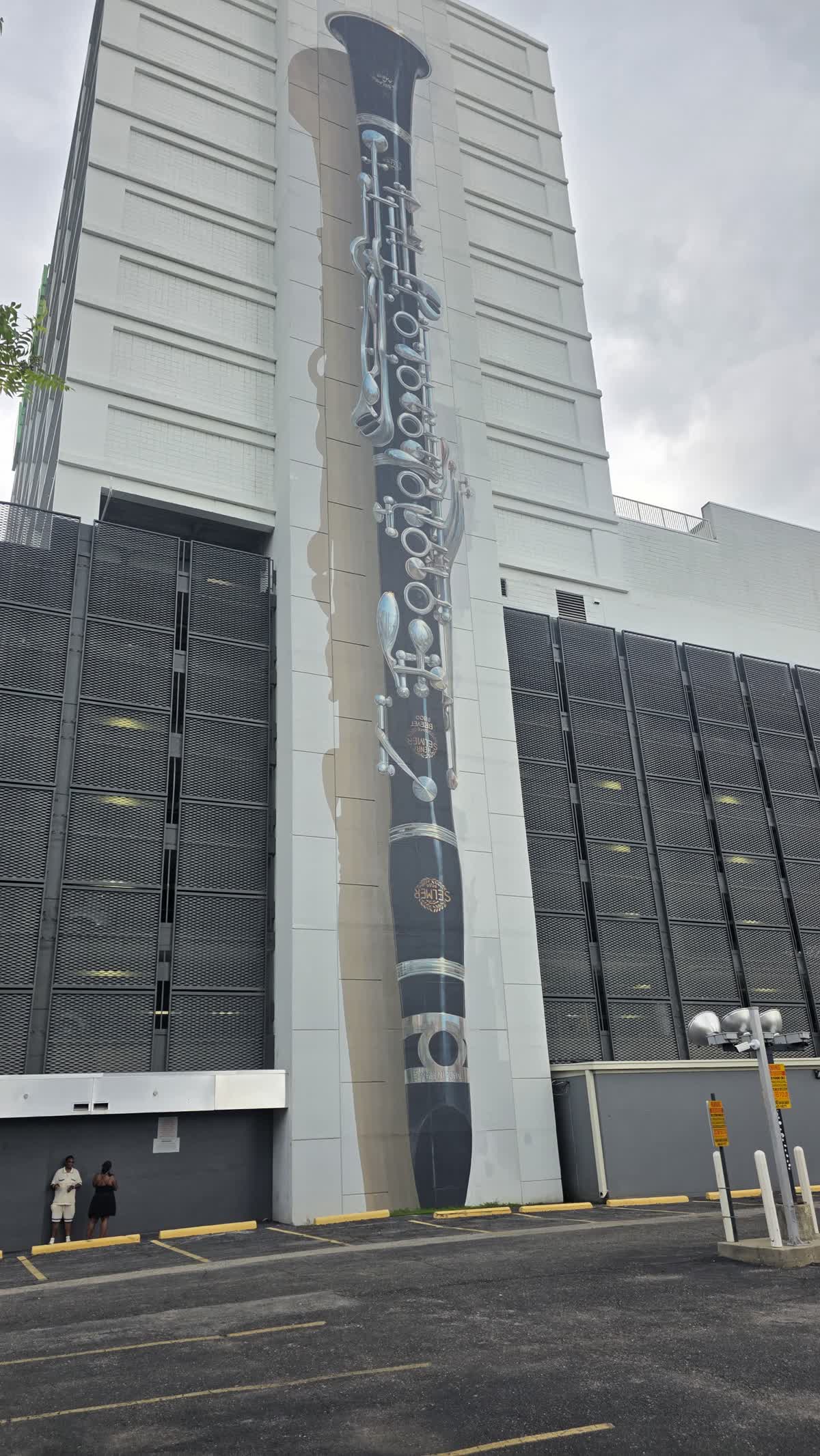
So this was the fantastic possibility: that nothing supernatural happened at all, but the photographs were still evidence of a contact. Jeffery walked through a real city on a real afternoon. He made choices. He turned corners. He noticed what interested him. The camera recorded the world, and the world, through accident, history, timing, and the strange mathematics of attention, returned the favor. Maybe the threat was only being observed by one’s own curiosity. Maybe it was something older, quieter, and less respectful of known physics. The photographs refused to decide.